


Hair has always carried meaning. It reflects mood, culture, confidence, and change. For many women, choosing the right cut or shape does not start with trends. It starts with daily life. Work. Family. Weather. Time. That is why a thoughtful hair style for female feels personal rather than decorative.
This article explores how modern hair choices support real routines while still feeling beautiful. It focuses on balance, care, and intention, not extremes. The goal is simple. Help women choose styles that work today and still feel right tomorrow.
Why Hair Style for Female Choices Have Changed

Beauty standards evolve, but daily needs shape them faster. Women now want hair that moves easily from morning to night. A hair style for female today values comfort, health, and flexibility just as much as appearance.
Editors at Allure often note that modern hair trends favor lived-in texture and natural movement. This shift reflects lifestyle changes. More women balance multiple roles. Fewer want high-maintenance routines. The focus has moved from perfection to practicality.
Understanding Face Shape and Texture
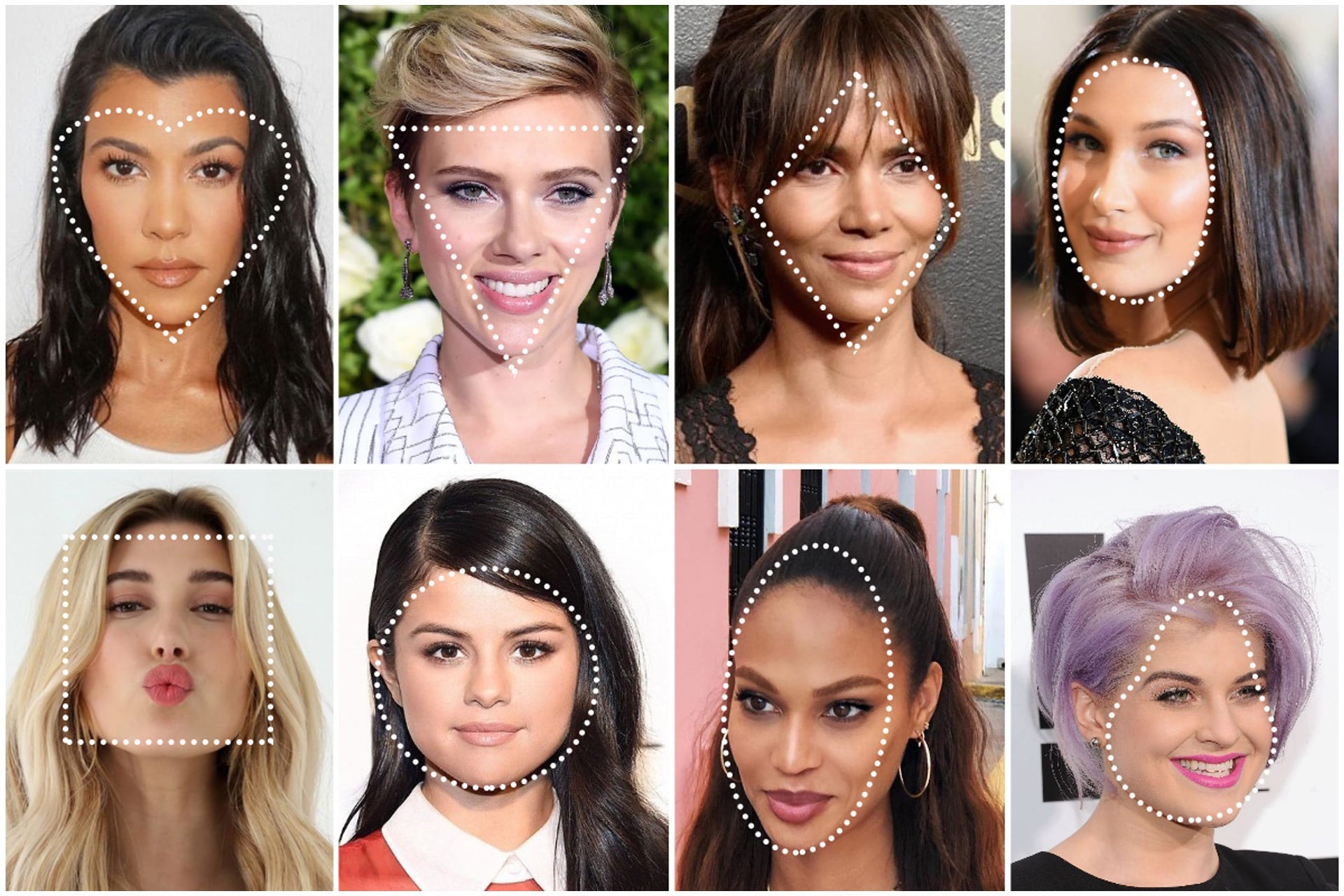

How Hair Style for Female Decisions Start With Structure

Every head of hair behaves differently. Face shape, hair density, and natural texture all matter. A successful hair style for female works with these factors, not against them.
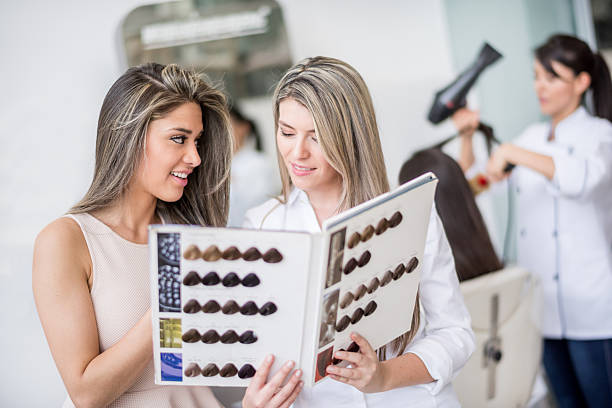
Professional stylists trained through brands like L Oréal Professionnel often begin consultations by studying growth patterns and natural fall. Straight hair reflects light clearly. Wavy hair adds softness. Curly hair creates volume and presence. Each texture needs a different approach.
Length Choices That Support Daily Life


Hair length influences routine more than style alone. Short hair offers ease and structure. Medium length balances flexibility and control. Long hair provides drama and movement. A well-chosen hair style for female considers how much time and effort a woman wants to invest.
Fashion and beauty coverage from Vogue consistently highlights shoulder-length cuts because they adapt easily to different settings. They can look polished or relaxed without major effort.
Layers, Shape, and Natural Movement


Layers shape personality in hair. They remove weight, add motion, and help hair sit better through the day. In a modern hair style for female, layers create softness without thinning the ends too much.
Hair educators often explain that internal layering works better than heavy surface cuts for most women. It allows hair to move naturally and reduces styling time. This technique suits both straight and textured hair types.
The Role of Bangs and Framing Pieces

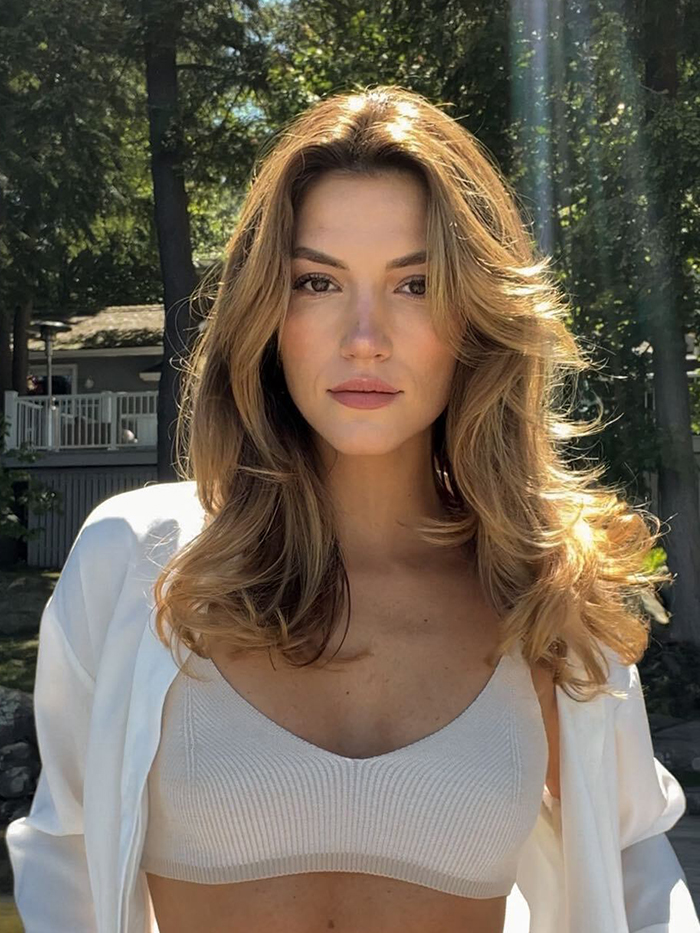
Bangs change how a face feels instantly. Soft fringe highlights eyes. Side-swept pieces balance cheekbones. A thoughtful hair style for female uses face-framing elements to guide attention, not hide features.
Celebrity stylists working with public figures frequently choose light, blended bangs because they grow out gracefully. That choice reduces frequent salon visits while keeping the look fresh.
Color and Hair Style for Female Harmony
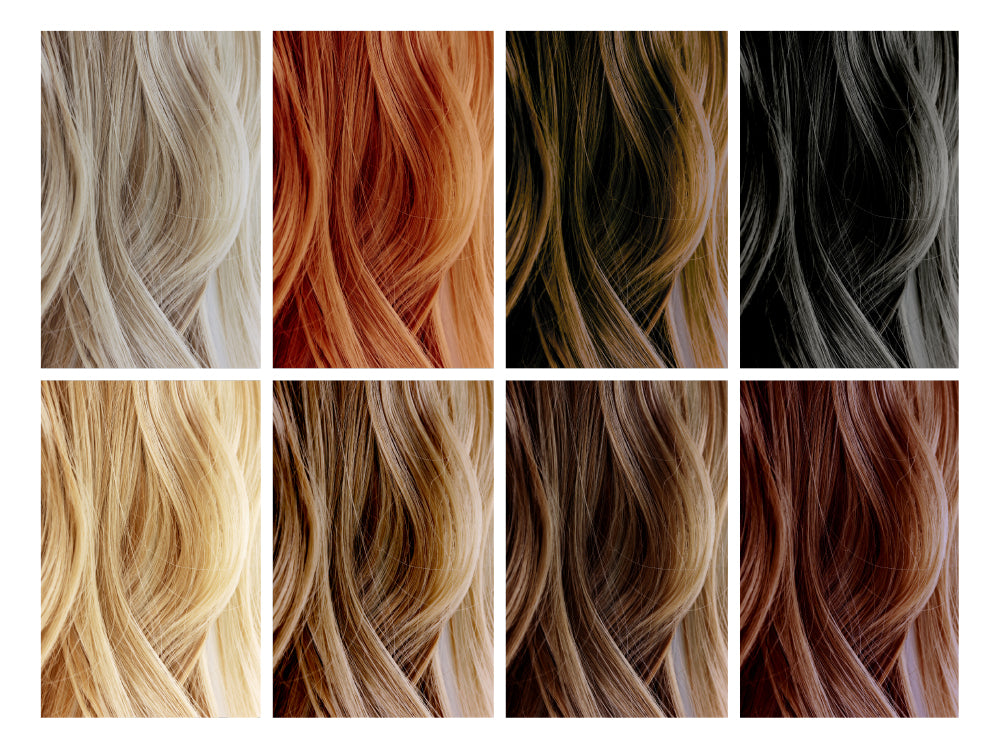
Color supports shape. Shape supports color. Together they define the final look. A hair style for female looks stronger when color placement follows the haircut design.
Color experts often referenced by Harper’s Bazaar emphasize that subtle highlights enhance movement and depth. Solid color can look flat if the cut lacks structure. Balanced design avoids that problem.
Hair Care as Part of Styling

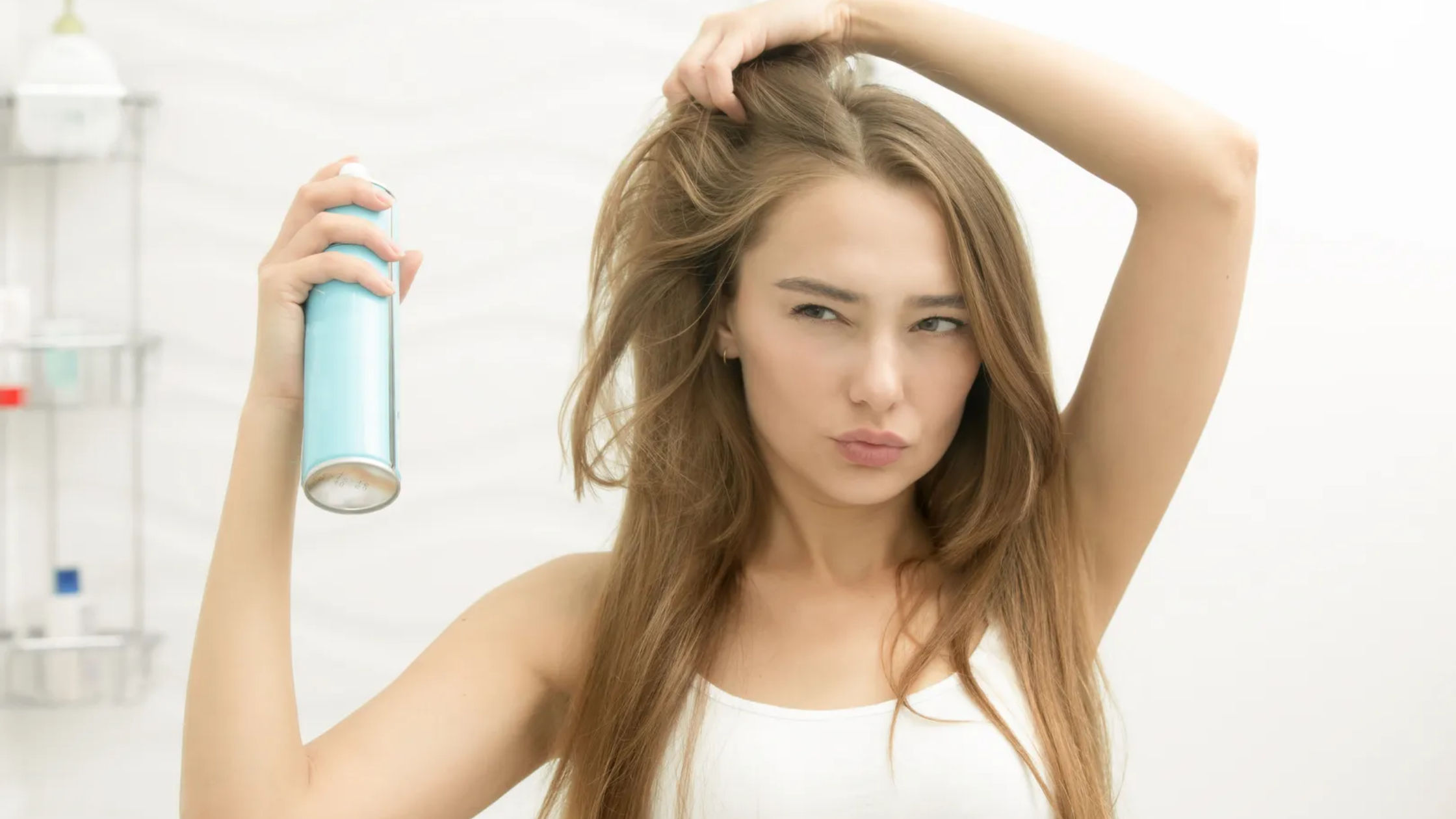
Healthy hair makes every style better. A hair style for female lasts longer and looks more refined when care routines stay consistent. Hydration, gentle cleansing, and heat control matter more than products alone.
Dermatologists and trichologists regularly stress scalp health as the foundation of good hair. Clean follicles support stronger growth and better texture over time.
Work, Social Life, and Adaptability

Hair should adjust to different moments of the day. A flexible hair style for female transitions easily from professional settings to personal time. Loose waves can pin back. Sleek styles can soften with minimal effort.
This adaptability explains why many women now avoid overly structured cuts. They want hair that responds, not resists.
Cultural Influence and Personal Identity


Hair connects deeply to identity. Across cultures, a hair style for female often carries tradition, confidence, and self-expression. Modern styling respects that heritage while allowing individual choice.
Global beauty conversations increasingly celebrate diversity in texture, length, and finish. That shift encourages women to choose styles that feel authentic rather than imposed.
Choosing the Right Professional
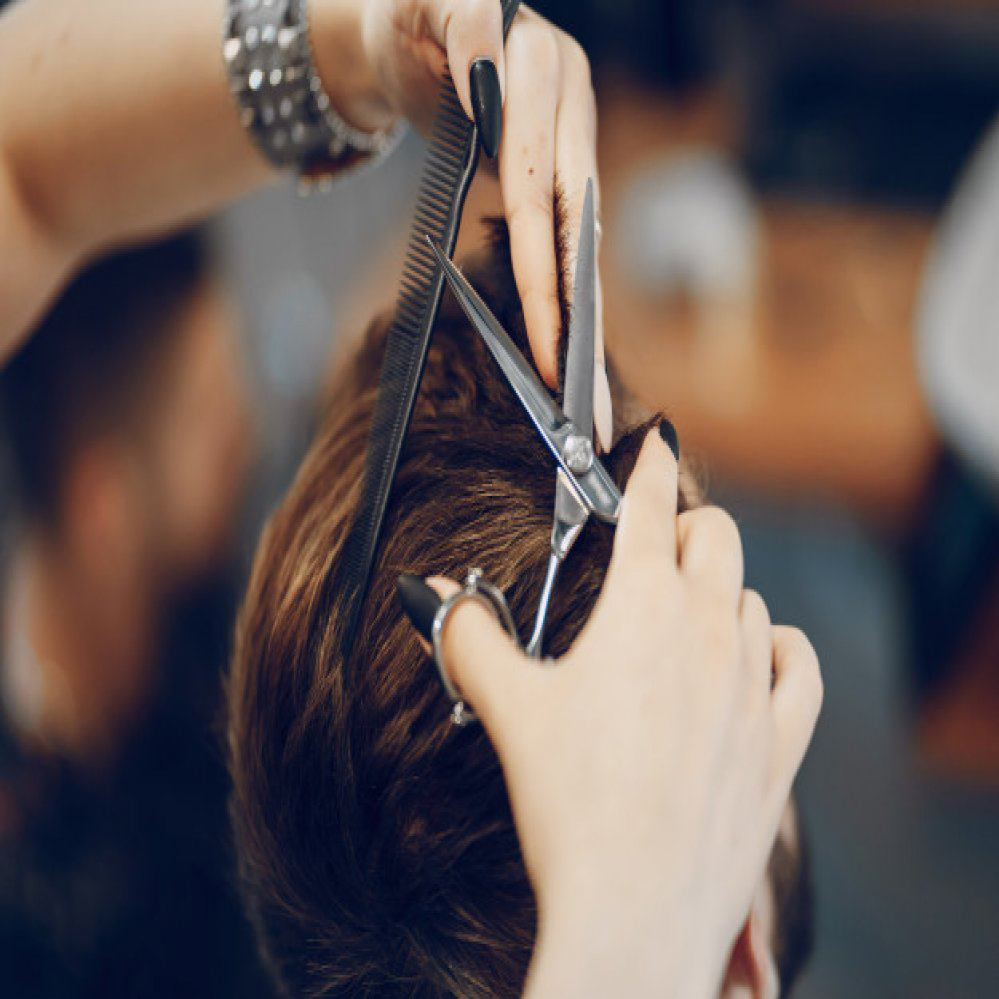
Not every stylist understands every texture or lifestyle. A hair style for female improves dramatically when shaped by someone who listens first. Consultation matters as much as cutting skill.
Salons that invest in continued education often deliver better long-term results because they adapt techniques as hair trends and science evolve.
Aging, Change, and Style Confidence

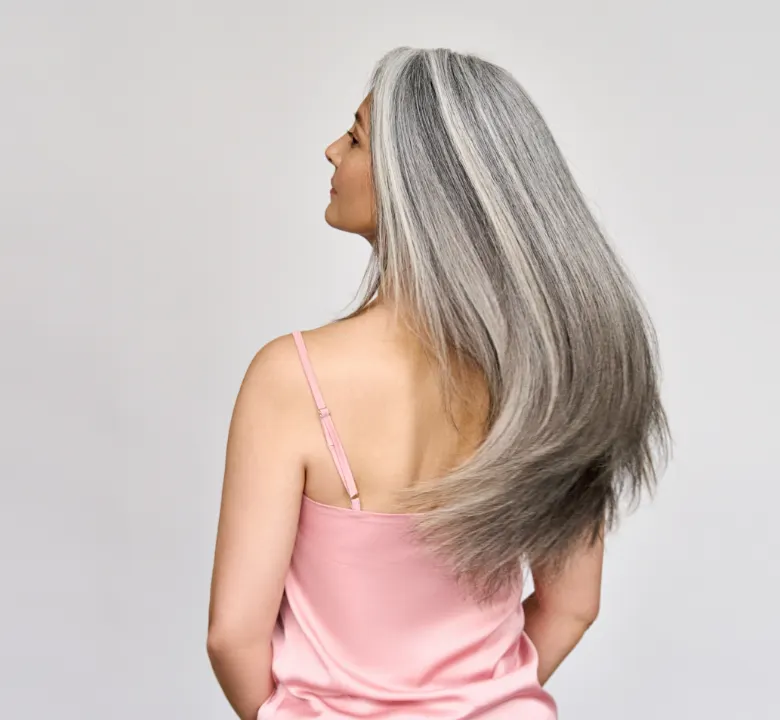

Hair changes with time. Density shifts. Texture softens or tightens. A well-planned hair style for female adjusts with these changes rather than chasing old versions of beauty.
Confidence grows when hair feels aligned with the present stage of life. That alignment creates ease, which always reads as style.
Final Thoughts on Hair Style for Female Choices

Hair does not need to impress. It needs to support. A meaningful hair style for female respects routine, personality, and comfort. When cut and cared for with intention, hair becomes quiet confidence rather than daily stress. That is what lasting style looks like.