


A Morning Every Parent Knows
The school clock ticked loudly. One shoe hid under the couch. The lunchbox sat open. And my child stood there with wild, tangled hair. I grabbed a brush and hoped for magic. Nothing worked. That morning taught me something valuable. A good plan for hair style childrens can save time, reduce stress, and prevent tears. Many parenting experts, including those featured in Parents Magazine, emphasize that simple grooming routines help children feel calm and confident before school.


Why Choosing the Right Hair Style Childrens Matters
Children move constantly. They run, jump, and play. Their hairstyle must survive real life. A practical look keeps hair neat, avoids discomfort, and reduces mid-day mess. The American Academy of Pediatrics often highlights how routines create security and independence in kids. Hair care forms part of that daily structure.


Keep Comfort First
Comfort should always lead. Tight styles may cause headaches. Heavy accessories may distract. Soft elastics, gentle parting, and balanced tension protect the scalp. Pediatric dermatologists warn that excessive pulling may contribute to traction alopecia, even in young children

1. The Classic Ponytail
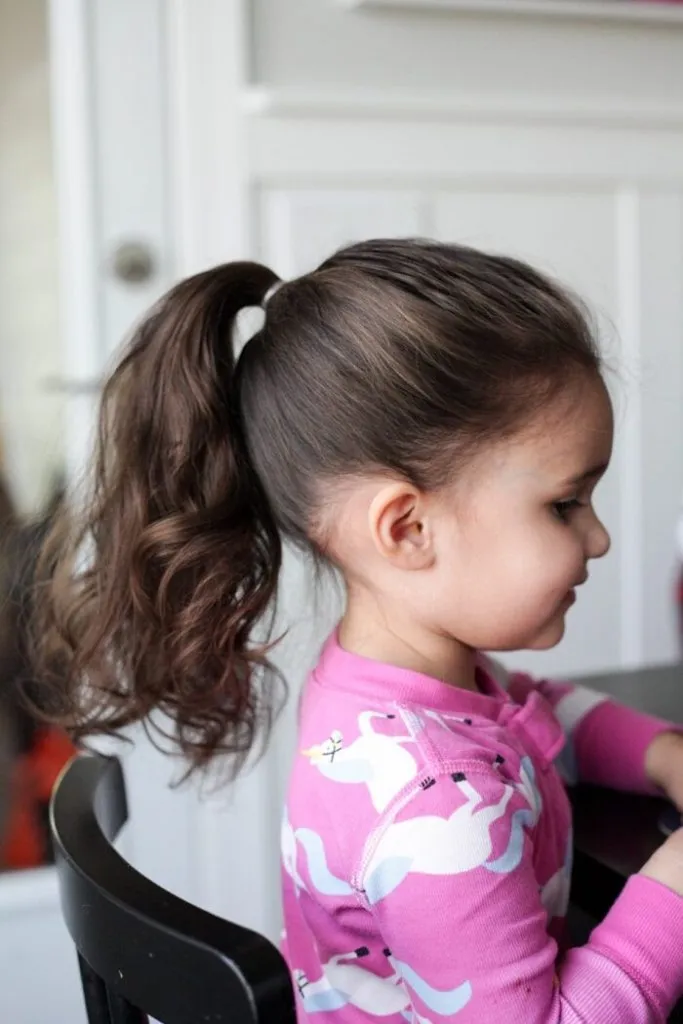
The ponytail wins every time. It looks clean. It takes minutes. It suits school, sports, and casual outings. Position matters. High ponytails feel playful. Low ponytails feel polished. Add a colorful scrunchie for personality.
2. Simple Braids
Braids combine beauty and function. They control flyaways and stay secure longer than loose styles. Choose single braids for speed. Choose double braids for balance. French braids offer extra hold for active days. Hairstylists often recommend braids for durability.


3. Half-Up Half-Down
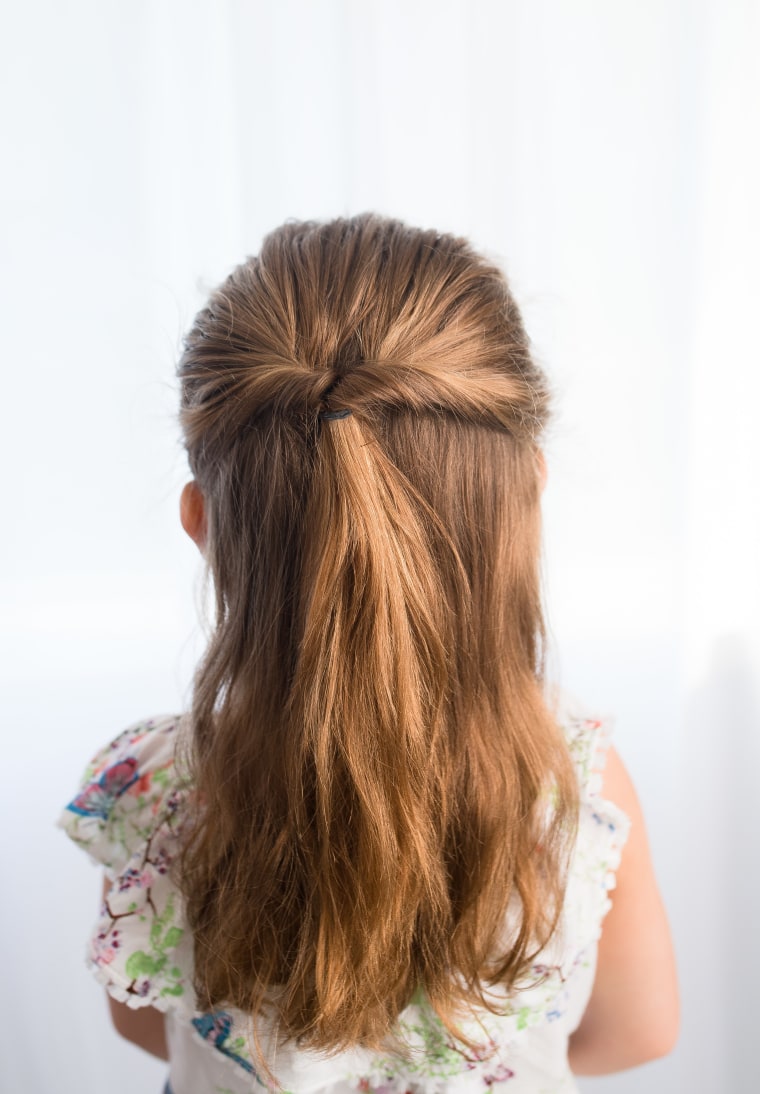
This style blends freedom and control. Hair stays away from the face while length flows naturally. It works well for birthdays, photos, or family gatherings. Add a bow or clip for a festive touch.

4. Messy Bun for Playful Days
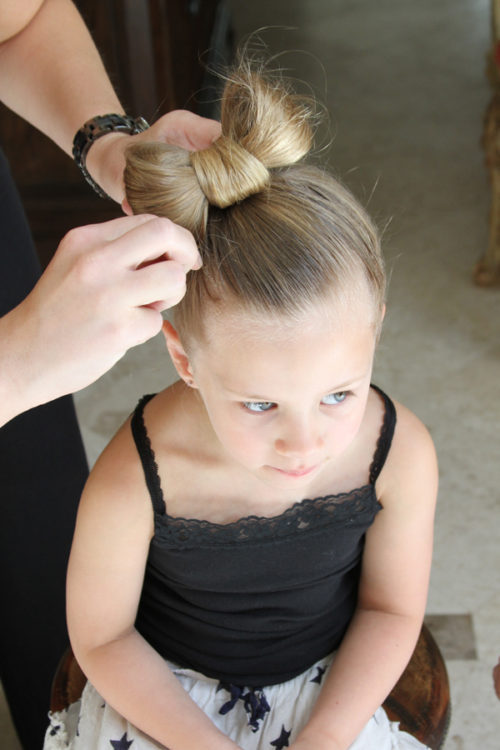
Not every day needs perfection. A soft messy bun looks relaxed and cute. It suits playdates and weekends. Keep it loose and gentle. The goal is comfort, not tightness.
5. Short Hair, Easy Care
Short cuts simplify life. Pixie cuts, bobs, or cropped layers reduce tangles and styling time. They work well for active children. Many stylists suggest shorter cuts for kids who dislike brushing sessions.


Hair Texture Changes the Game
Straight, wavy, curly, or coily hair behaves differently. Curly hair needs moisture and wide-tooth combs. Fine hair benefits from lightweight styling. Thick hair needs sectioning. The International Journal of Trichology explains how texture and density affect manageability.


Building a Stress-Free Routine
Preparation prevents chaos. Brush gently at night. Detangle after bath time. Prepare accessories in advance. Morning styling becomes faster and smoother. Child behavior specialists often stress the value of predictable routines.

Making Styling Fun for Kids
Children cooperate more when they feel involved. Let them choose clips or bands. Turn styling into a game or story. Small choices build independence and reduce resistance.

Mistakes Parents Should Avoid
Avoid tight pulling. Avoid complex styles for rushed mornings. Avoid harsh brushing on dry tangled hair. Gentle handling protects both mood and hair health. Professional stylists frequently warn against overcomplication.
School vs Party Hairstyles
School styles should focus on durability and comfort. Party styles can explore curls, accessories, and creative designs. Matching the hairstyle with the occasion prevents frustration.
Hair Care Supports Better Styling
Healthy hair behaves better. Use mild shampoo. Condition regularly. Limit heat tools. The American Academy of Dermatology recommends gentle cleansing and hydration for children’s hair.
Final Thoughts on Hair Style Childrens
Every parent wants peaceful mornings. Every child deserves comfort and confidence. Smart planning, gentle care, and simple designs make a powerful difference. The best hair style childrens choices balance speed, style, and practicality. Start simple. Stay consistent. Results will follow naturally.